
20/20 on a School Vision Screening? Why a Comprehensive Eye Exam Still Matters
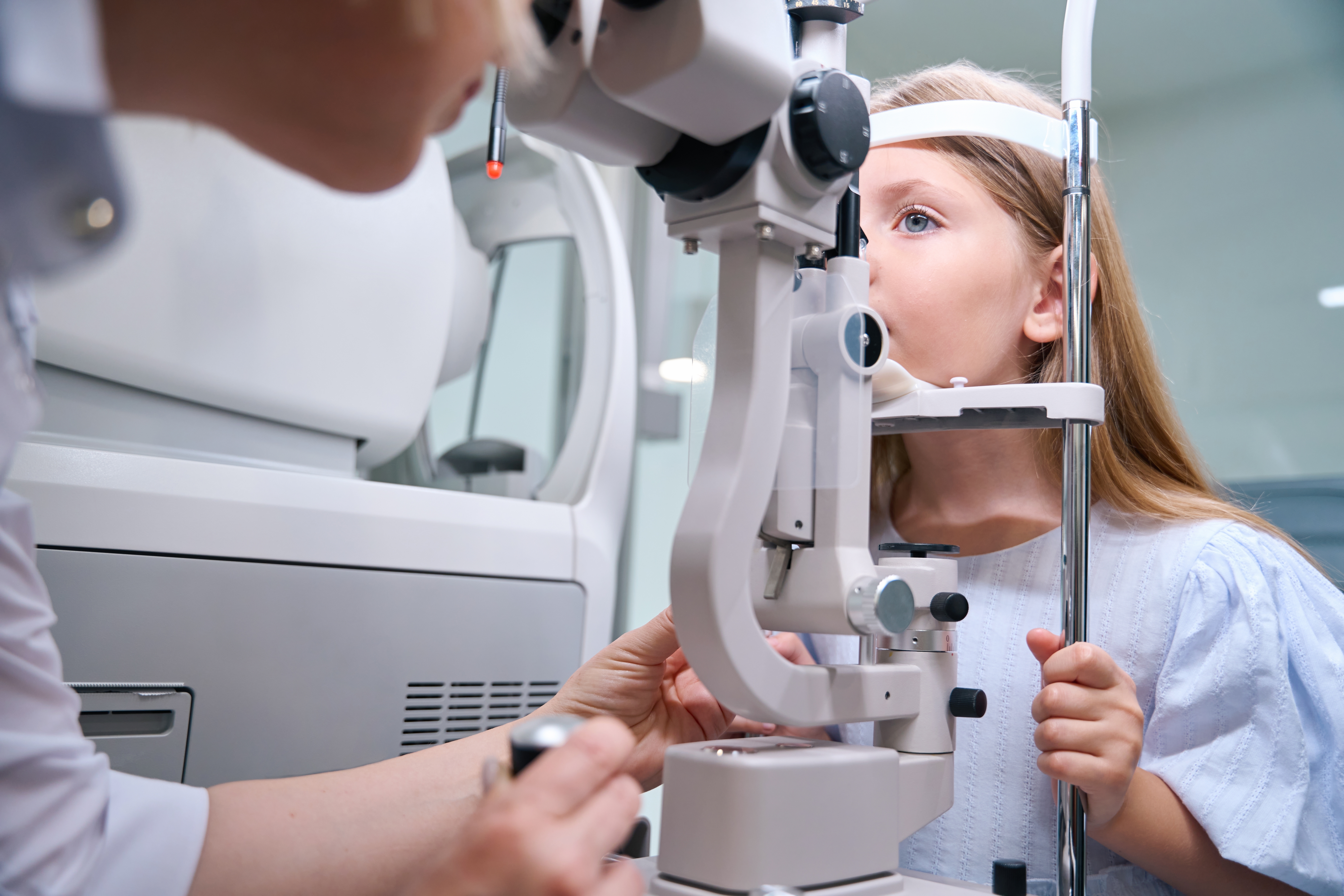
A school vision screening can provide helpful information about how clearly your child sees, but a 20/20 result does not necessarily tell the whole story. Children use many visual skills throughout the school day, from reading and writing to focusing on a computer screen and following information across a classroom.
At Family Vision Center, we believe comprehensive eye exams are an important part of supporting clear, comfortable vision as children grow. Even when a child passes a school vision screening, a complete eye exam can provide a more detailed look at their vision and eye health.
What Does 20/20 Vision Actually Mean?
A 20/20 result generally means your child can see clearly at a standard distance. That is an important part of vision, but visual acuity is only one piece of how the eyes function.
Children also need their eyes to focus efficiently, move accurately, work together, and adjust between near and far distances. These skills can affect classroom activities such as reading, copying notes, completing homework, and using digital devices.
A child may therefore see the letters on an eye chart clearly while still experiencing other visual concerns.
What Can a Comprehensive Eye Exam Evaluate?
A comprehensive eye exam goes beyond checking whether your child can read a line of letters from across the room. Depending on your child's needs, our eye doctor can assess several aspects of vision and eye health.
A comprehensive exam may evaluate:
- Distance and near visual acuity
- Eye focusing and teaming abilities
- Eye movement and tracking
- Depth perception and peripheral vision
- Whether glasses or other vision correction may be needed
- The overall health of the eyes
These evaluations can give families a more complete picture of how a child's visual system is functioning.
Signs Your Child May Need a Closer Look
Children do not always recognize when their vision is causing difficulty. They may assume everyone sees the same way they do, making it important for parents to watch for changes in behavior.
Frequent headaches, eye rubbing, squinting, holding reading material unusually close, losing their place while reading, avoiding near work, or complaining that their eyes feel tired may be reasons to discuss your child's vision with an eye doctor.
Changes in school performance or difficulty maintaining attention during visually demanding activities can also have many possible causes. A comprehensive eye exam can help determine whether a vision problem may be contributing.
Why Eye Exams Matter Even After a Passed Screening
School vision screenings serve an important purpose by helping identify children who may have difficulty seeing clearly. However, screenings are not designed to provide the same detailed evaluation as a comprehensive eye exam.
During an eye exam, we can look more closely at your child's visual function, prescription needs, and eye health. Regular exams also allow us to monitor changes over time as the eyes develop and academic demands increase.
Help protect your child’s vision beyond the school screening and schedule a comprehensive pediatric eye exam with Family Vision Center in Cedarburg, WI, at (262) 377-3937 to catch changes that may otherwise go unnoticed.


Featured Services
Contact Info
Hours of Operation
- Monday 12:00pm - 8:00pm
- Tuesday 9:00am - 4:00pm
- Wednesday 8:00-12:00pm & 1:00-6:00pm
- Thursday 9:00-12:00pm & 1:00-5:00pm
- Friday 8:00am - 4:00pm
- Saturday Closed
- Sunday Closed
© 2025 Family Vision Center. All rights Reserved. Accessibility Statement - Privacy Policy - Sitemap
Powered by:
